

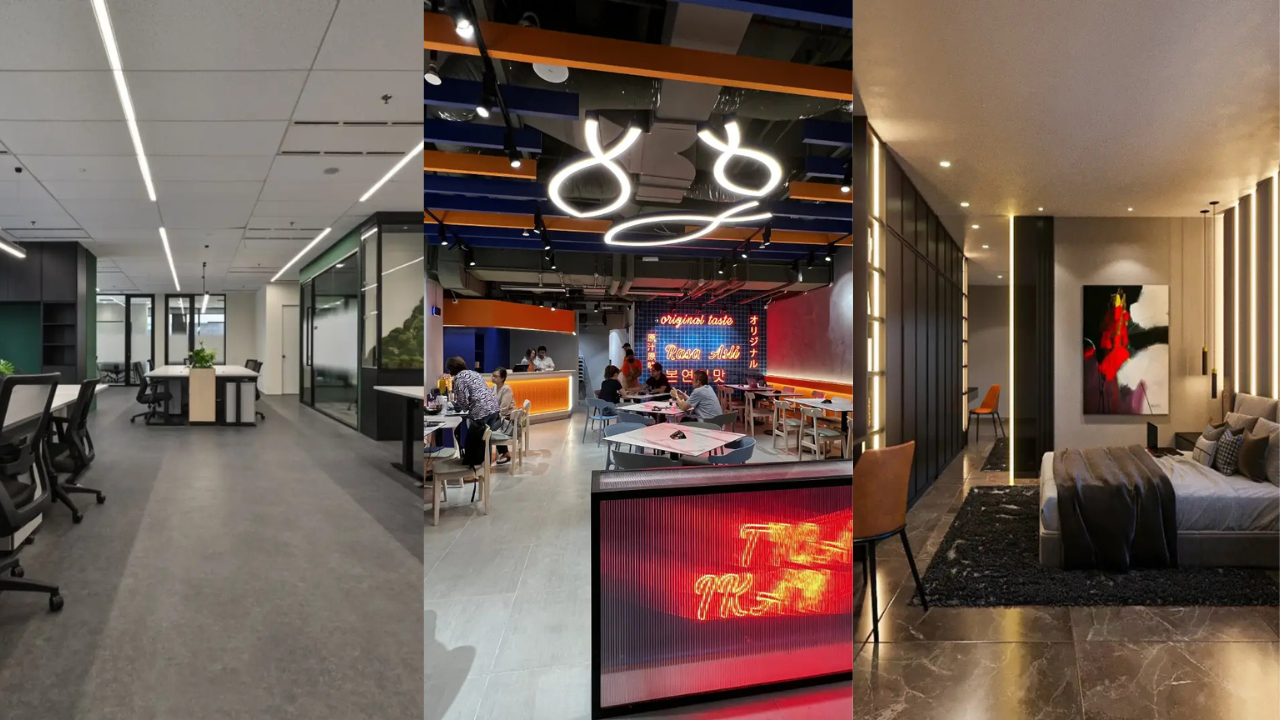

Lighting can completely transform a space, whether it's a busy office or a quiet bedroom. The right lighting improves focus, supports health, and creates the right atmosphere. But lighting that works well in one room can be ineffective in another.
This guide explains lighting design by room type, with practical tips to match lighting with the specific function, mood, and energy use of each area. Whether you're designing a commercial office, a kitchen at home, or a retail space, you'll learn how to choose the right color temperature, fixture style, and lighting layout.
What You'll Learn:
Let’s explore how to light each room the right way.
Office Lighting Design
Workspaces need lighting that fuels focus, minimizes fatigue, and adapts to different tasks.
From long hours at a desk to quick team huddles, office lighting should enhance productivity without straining the eyes.
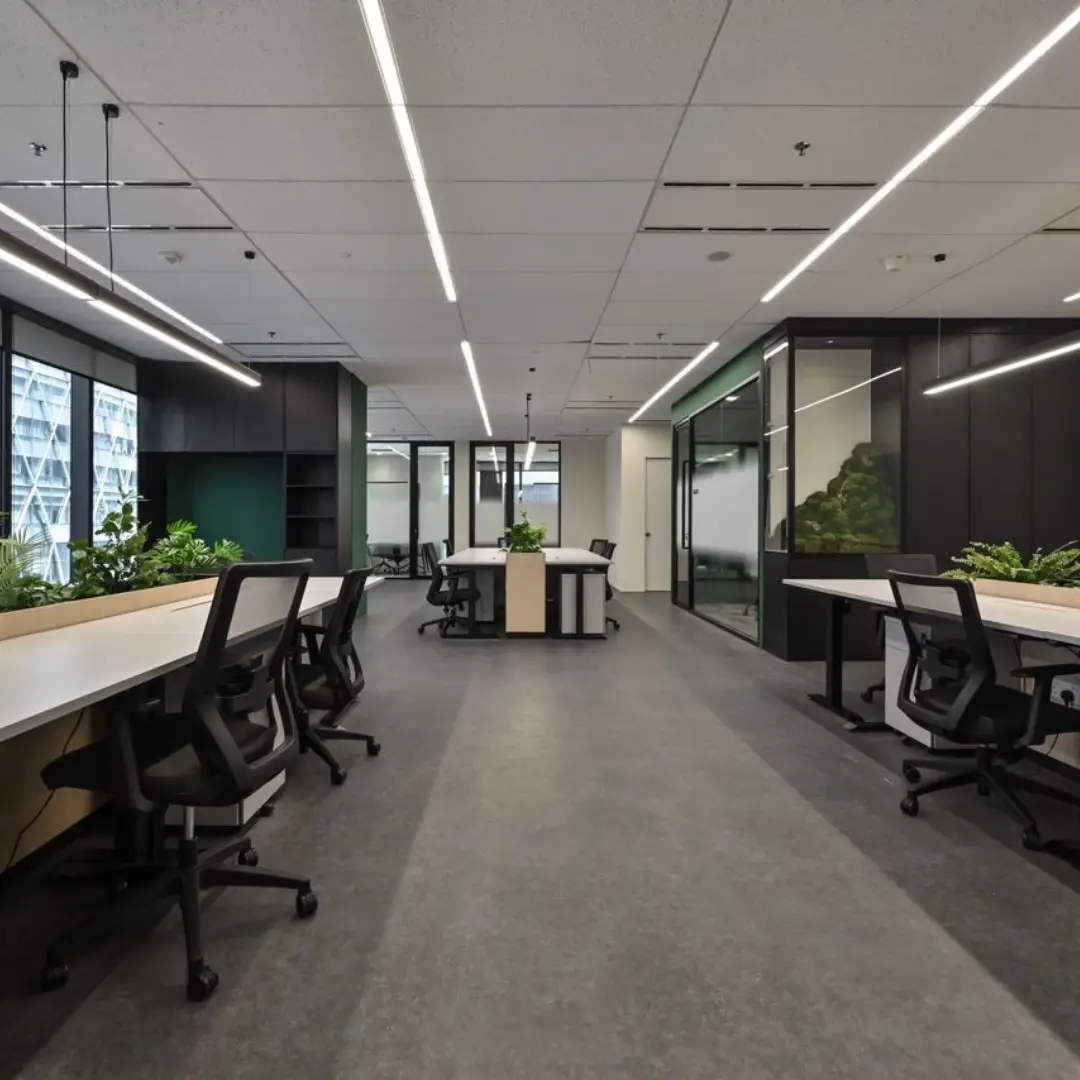
Office Lighting Design By Justlight Concept
1. What Office Lighting Should Achieve
Office lighting should improve focus, reduce eye strain, and support different work tasks throughout the day.
Consistent, glare-free lighting provides the clarity needed for reading, typing, video calls, and collaboration without causing visual discomfort.
2. Why Lighting Affects Productivity
Lighting influences mental performance, emotional state, and physical energy.
Dim or poorly placed lighting causes eye strain and tiredness.
Well-designed lighting in the 4000K to 5000K range supports sustained concentration and alertness.
Studies show that optimized office lighting can increase productivity by up to 23%.
Learn more about how office lighting affects workplace productivity
3. How to Design Effective Office Lighting
Summary: A well-lit office improves comfort, boosts mental clarity, and supports different types of work activities throughout the day.
Next up: Let’s look at how kitchen lighting can improve safety and functionality in high-activity zones.
Kitchen Lighting Design
The kitchen is one of the most task-intensive areas in any home or commercial space.
Lighting needs to support food preparation, cooking, cleaning, and social interaction, all while preventing glare and shadows on key surfaces.
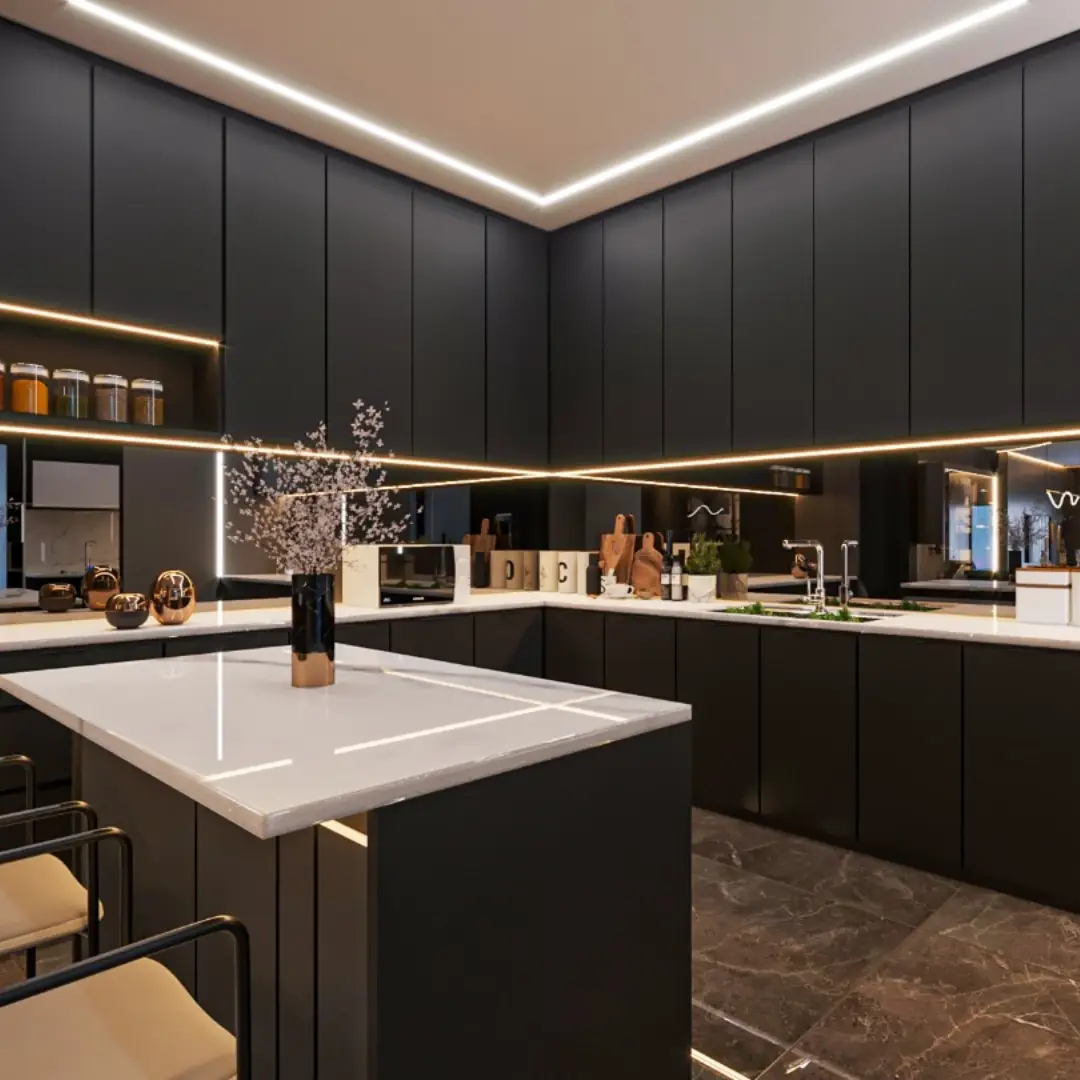
Kitchen Lighting Design By Justlight Concept
1. What Good Kitchen Lighting Looks Like
Good kitchen lighting provides clear, shadow-free illumination over work surfaces.
It combines task lighting for functionality and ambient lighting for general visibility and comfort.
2. Why Task Lighting Is Crucial in Kitchens
Kitchen tasks require clear visibility for safety and precision.
Sharp tools, hot surfaces, and detailed work increase the risk of accidents when lighting is insufficient.
Focused task lighting ensures that the stove, sink, and countertops stay bright enough for safe and efficient cooking.
3. How to Layer Light in the Kitchen
For a deeper dive into how to layer ambient, task, and accent lighting effectively, read our guide on lighting design with light layering.
Summary: Kitchen lighting should prioritize visibility and safety without sacrificing warmth or style.
Next, we’ll explore how retail and showroom lighting influences customer behavior and product perception.
Retail & Showroom Lighting Design
In retail settings, lighting does more than provide visibility. Lighting influences how customers perceive products and how they feel in the space.
Strategic lighting draws attention to key items, directs foot traffic, and reinforces the overall brand experience.

Retail/Showroom Lighting Design By Justlight Concept
1. What Lighting Communicates in Retail Spaces
Retail lighting shapes how customers see and feel about your products.
From spotlighting high-value items to softly lighting fitting rooms, the right setup enhances both visibility and mood.
2. Why Product Visibility and Flow Matter
Customers are more likely to interact with products that are well-lit and placed along a clear path.
High Color Rendering Index (CRI) lighting reveals accurate product colors, which is especially important in fashion, food, and design-focused retail.
Zoning different areas with varying light levels helps guide shoppers naturally toward key displays and promotions.
3. How to Plan Lighting Zones and CRI Levels
Summary: Effective retail lighting highlights what matters, guides customer movement, and reinforces your brand story.
Next, let’s shift to the bedroom, where lighting plays a key role in rest, routine, and relaxation.
Bedroom Lighting Design
The bedroom is a space for winding down, not staying alert.
Lighting here should promote relaxation, support healthy sleep patterns, and adapt to different routines like reading or getting ready.
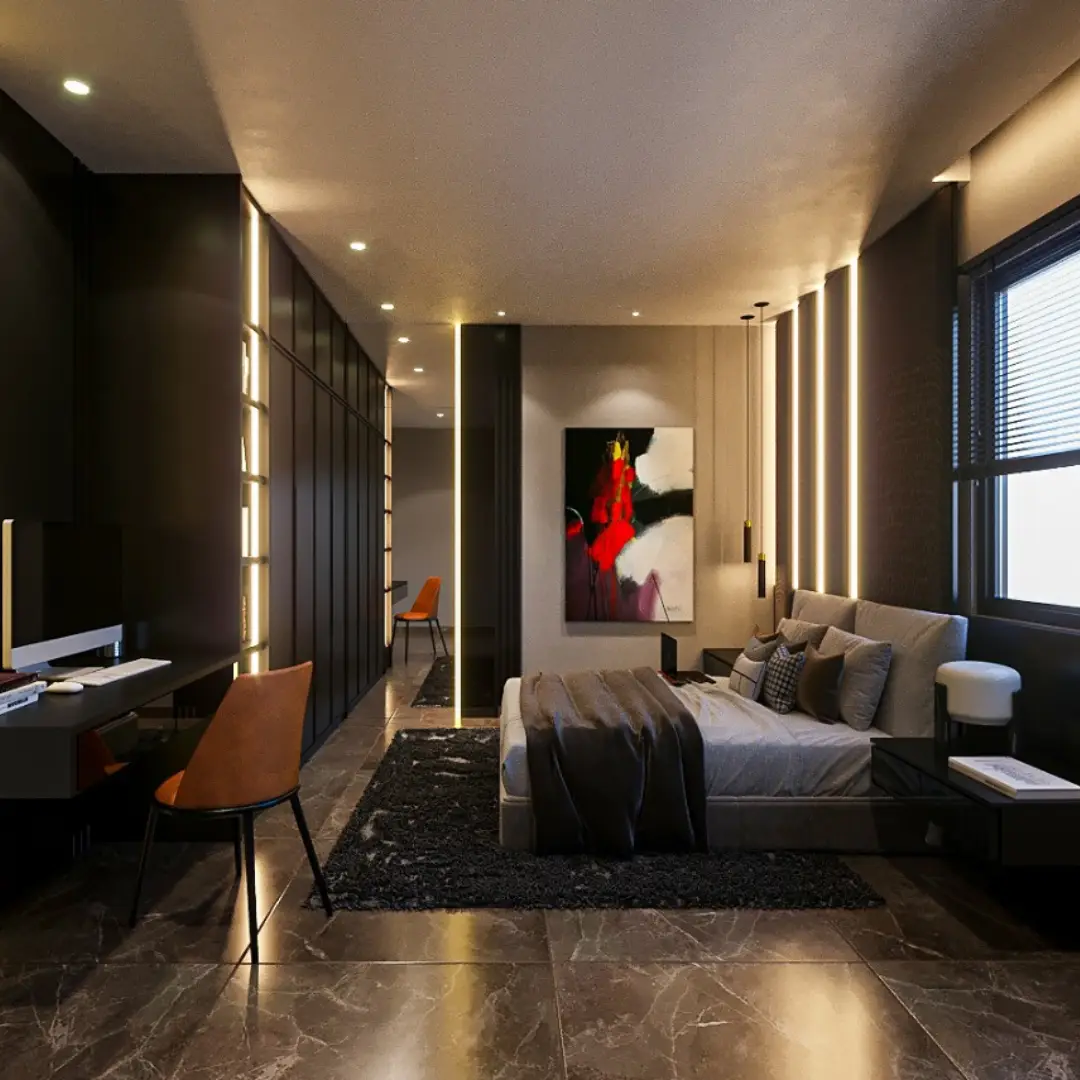
Bedroom Lighting Design By Justlight Concept
1. What Lighting Supports Restful Sleep
Bedroom lighting should be soft, warm, and adjustable.
Unlike workspaces, bedrooms benefit from lower color temperatures (2700K–3000K) that signal your body it's time to rest.
2. Why Bedrooms Need Warm and Adaptive Light
Lighting impacts melatonin production and circadian rhythms.
Exposure to harsh or cool-toned lighting at night can delay sleep and lower sleep quality.
Bedrooms need lighting that supports natural wind-down cues.
For a closer look at how different color temperatures affect mood and function, read our guide on lighting design and color temperature.
3. How to Set Up Bedroom Lighting for Relaxation
Summary: Bedrooms benefit from layered, low-intensity lighting that calms the mind and prepares the body for rest.
Next, we’ll dive into how hospitality and restaurant spaces use lighting to shape guest experience and ambiance.
Hospitality & Restaurant Lighting Design
In hospitality settings, lighting shapes the guest experience.
Lighting affects how long guests stay, how comfortable they feel, and how appealing the food appears.
Well-designed lighting creates the atmosphere from the moment guests enter the space.

Restaurant Lighting Design By Justlight Concept
1. What Creates an Inviting Atmosphere
A warm, layered lighting scheme makes guests feel comfortable and welcomed.
Whether it’s a hotel lobby, a fine-dining restaurant, or a casual café, lighting should enhance the overall ambiance, not overpower it.
2. Why Mood Lighting Enhances the Guest Experience
Lighting can increase dwell time, influence mood, and support the brand’s identity.
Warm lighting makes spaces feel more intimate, while cool lighting can make a space feel modern or energizing.
Scene lighting allows seamless transitions from day to night.
3. How to Use Layers and Scenes in Hospitality Design
Summary: In hospitality settings, thoughtful lighting creates immersive, brand-aligned environments that elevate guest experience.
Next, let’s look at outdoor and entry lighting—where safety, aesthetics, and durability come together.
Outdoor and Entry Lighting Design
Exterior lighting serves two key purposes: safety and visual appeal.
Functional lighting improves visibility and security, while well-placed fixtures enhance the building’s appearance.
A well-designed lighting setup at the entryway creates a welcoming first impression and helps prevent accidents.
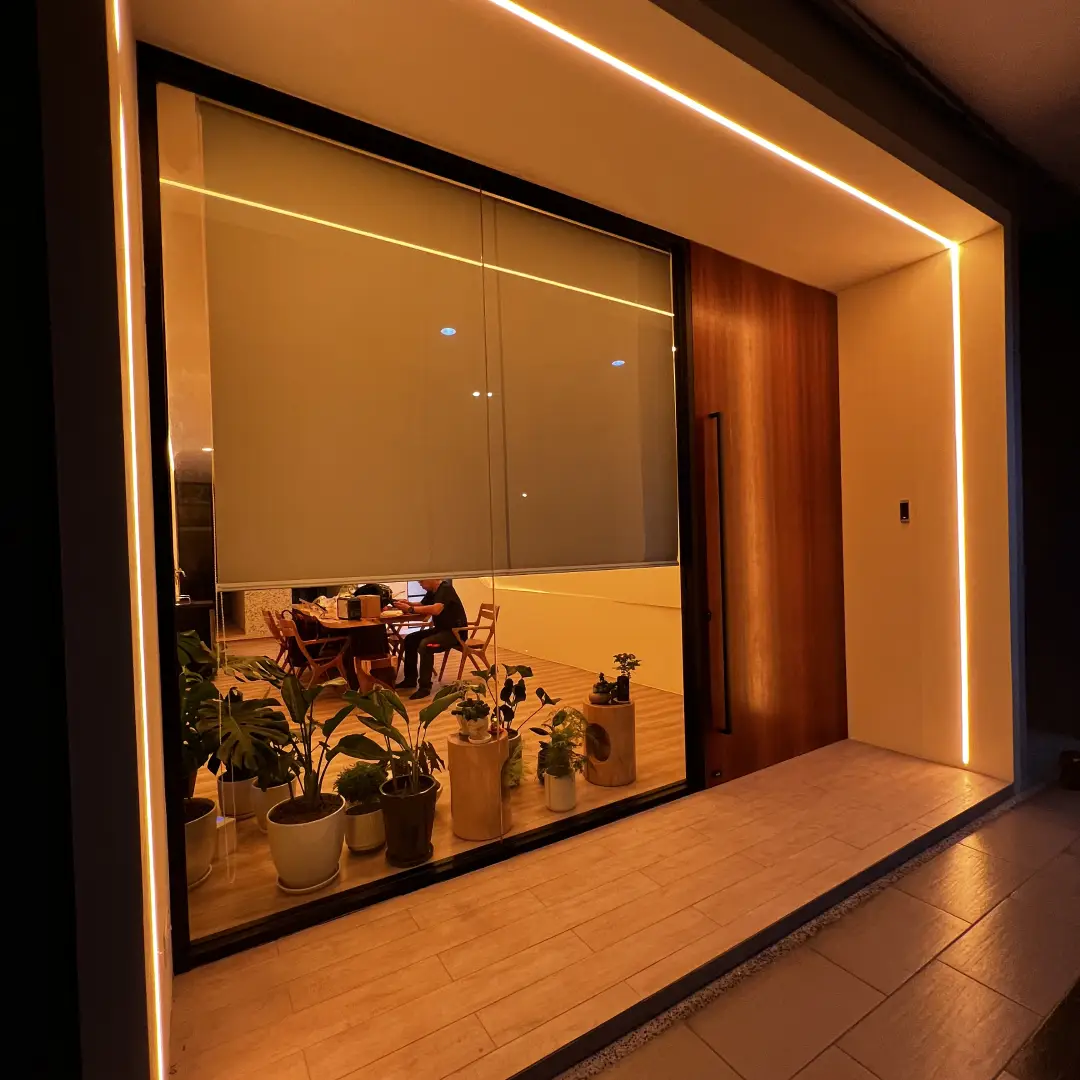
Exterior Lighting Design By Justlight Concept
1. What Outdoor Lighting Should Provide
Outdoor lighting should provide clear visibility, improve safety, and enhance the appearance of the property.
Well-placed fixtures guide people along walkways, highlight architectural features, and help deter intruders.
Every lighting element should align with the overall design of the building and landscape.
2. Why Durability and Safety Are Non-Negotiable
Outdoor fixtures are exposed to weather, dirt, and wear.
Without proper protection, lights can fail, corrode, or create hazards.
Motion sensors, waterproof ratings (IP65+), and low-voltage systems ensure long-term safety and efficiency.
3. How to Automate and Optimize Exterior Lighting
Summary: Great outdoor lighting is smart, sturdy, and stylish—blending visibility with design and automation for worry-free use.
Finally, let’s bring it all together with a quick recap of why function-first lighting design matters.
Final Thoughts: Function-First Lighting Design
Effective lighting begins with a clear question: What is the purpose of this room?
Offices, kitchens, bedrooms, and retail spaces all have different lighting requirements.
A function-first approach ensures that each environment supports comfort, safety, productivity, or relaxation based on its primary use.
Offices require focus. Bedrooms require calm. Retail spaces require visibility.
When lighting matches the purpose of a space, the benefits are immediate: improved mood, better energy efficiency, and a more enjoyable experience.
Summary: Use lighting as a practical tool that supports human needs and behavior, not just as a decorative element.
Want to bring purpose-driven lighting into your project? Explore our lighting design services.