
Facade Lighting Design in Malaysia
Transform your building into a recognizable landmark after dark. Improve visibility, reinforce your brand, and reduce energy and operating costs so you can:
Cut operating costs
Showcase your architecture
Meet MS1525 and ESG targets
TRUSTED BY:


Lighting Design for Modern Businesses
As Malaysia's best lighting designer, we transform your space with innovative lighting design solutions that help you:
Beautify Your Space
Achieve ESG Goals
Reduce Energy Costs
TRUSTED BY:
Facade lighting is essential for any building that needs to make a strong impression after dark, whether for branding, public presence, or safety. We work closely with architects and developers to tailor designs that fit both function and form.
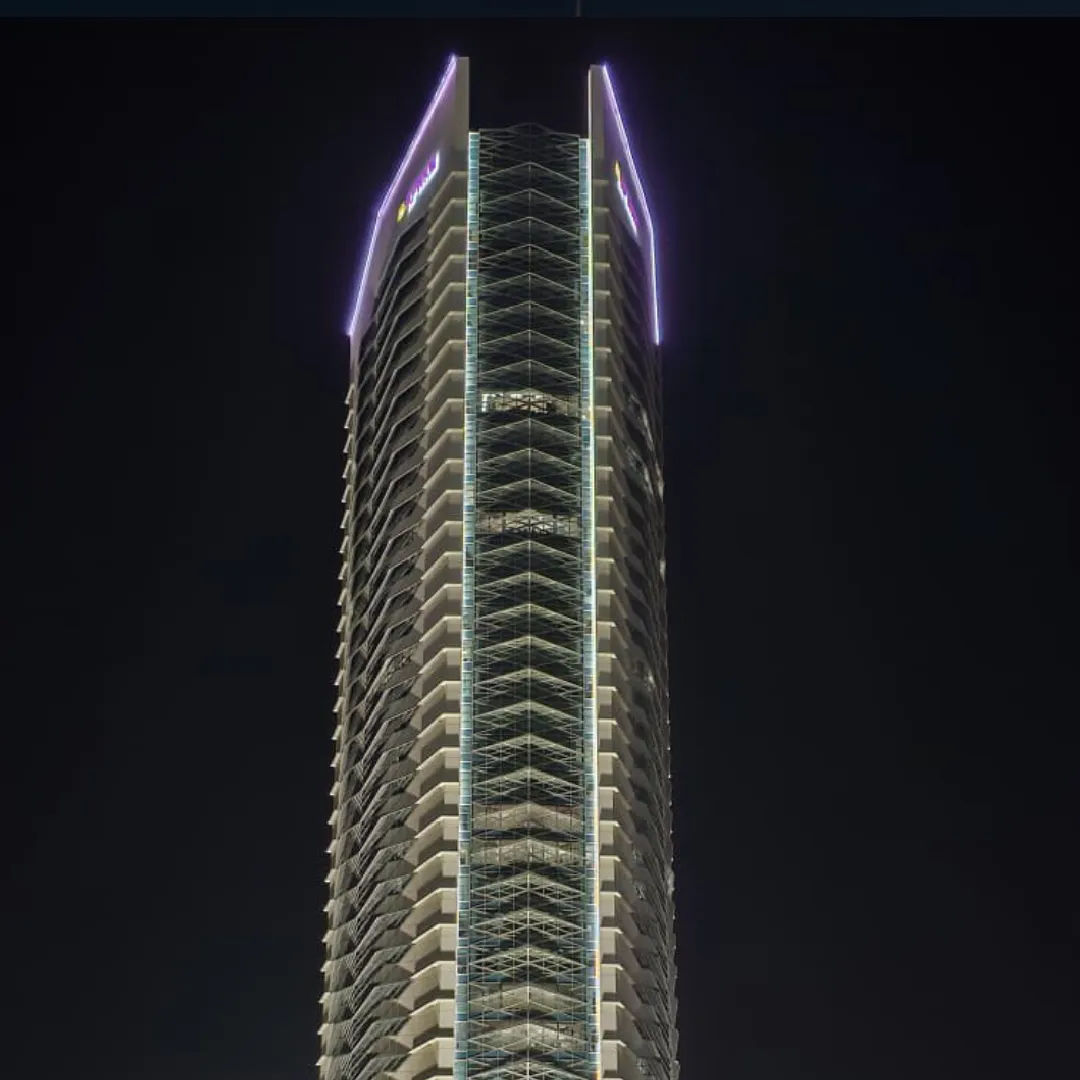
Create a signature night-time identity with clear logo visibility and architectural emphasis that reflects your brand stature.
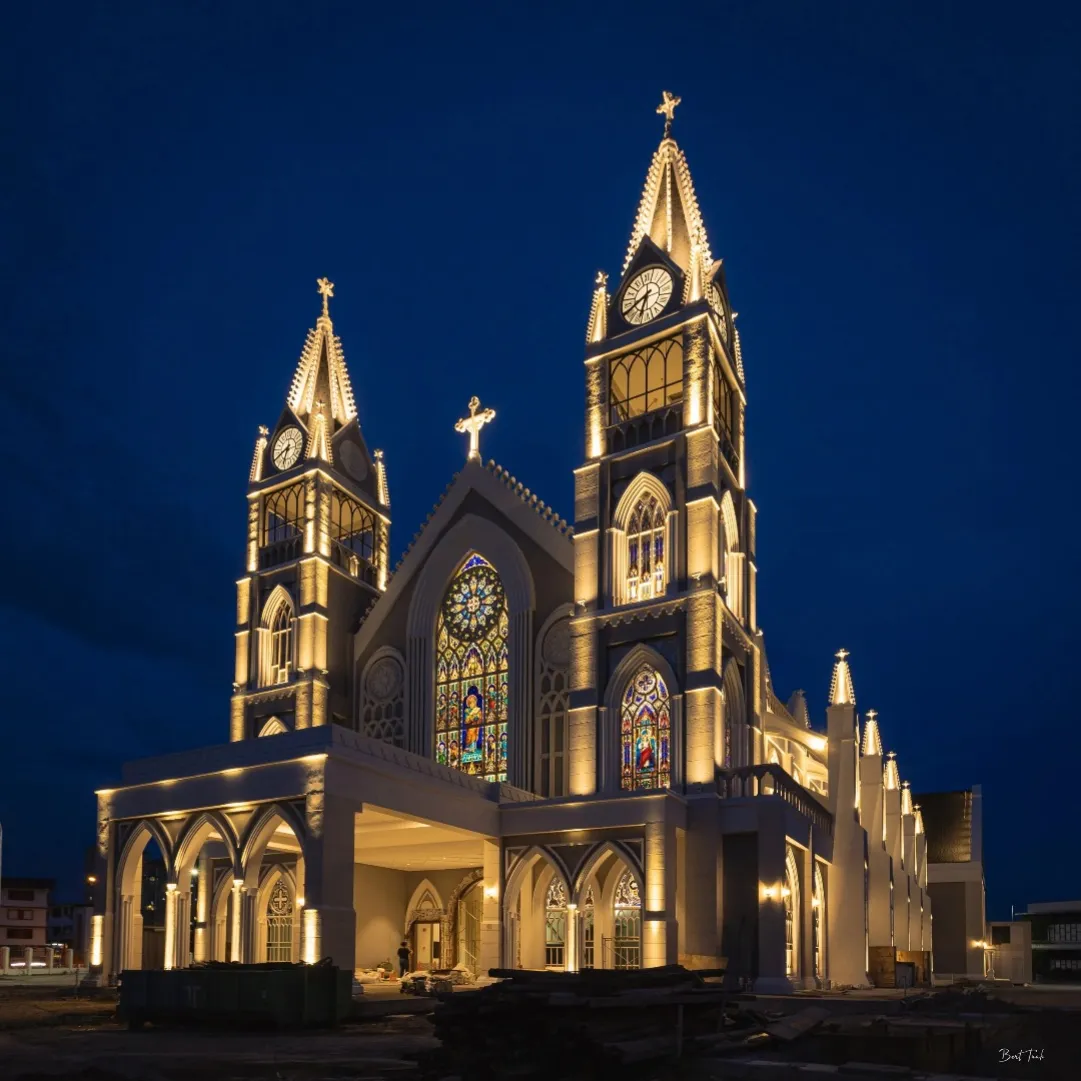
Highlight cultural or historical importance with respectful lighting strategies that control glare and preserve ambience.
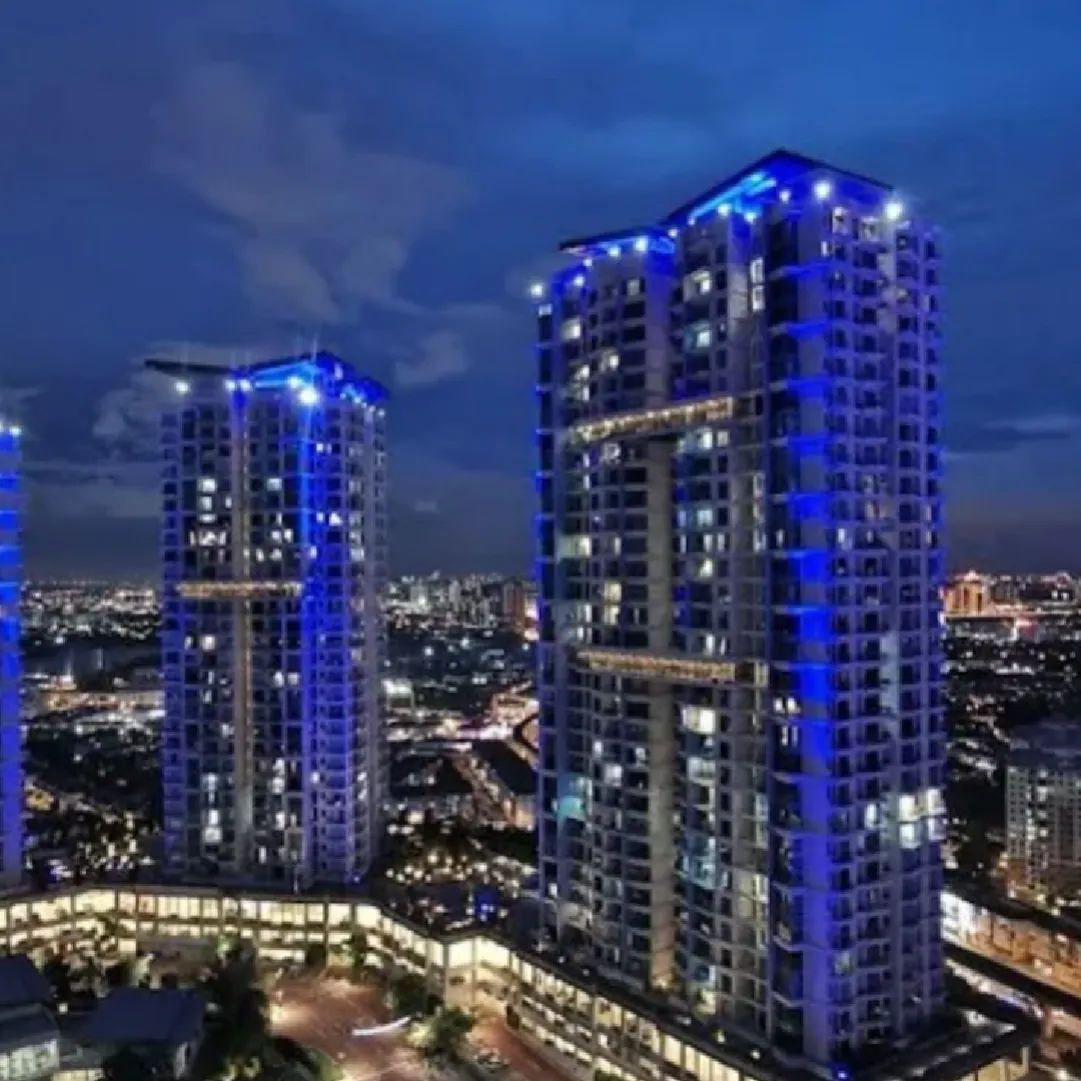
Welcome guests with a polished facade, dynamic lighting for events, and lighting that enhances the premium feel of your arrival experience.
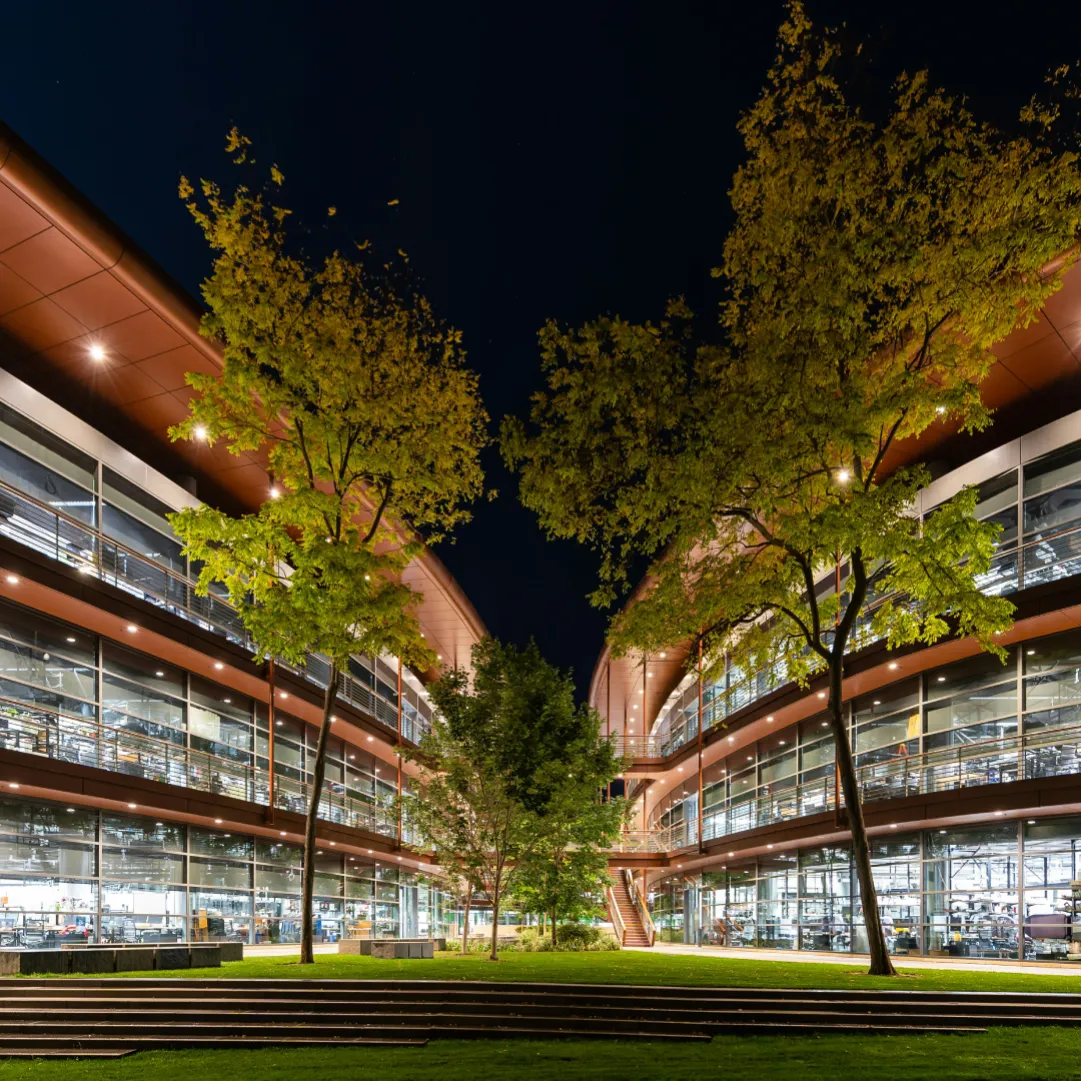
Improve safety and navigation for students and staff, while showcasing key buildings and institutional branding.
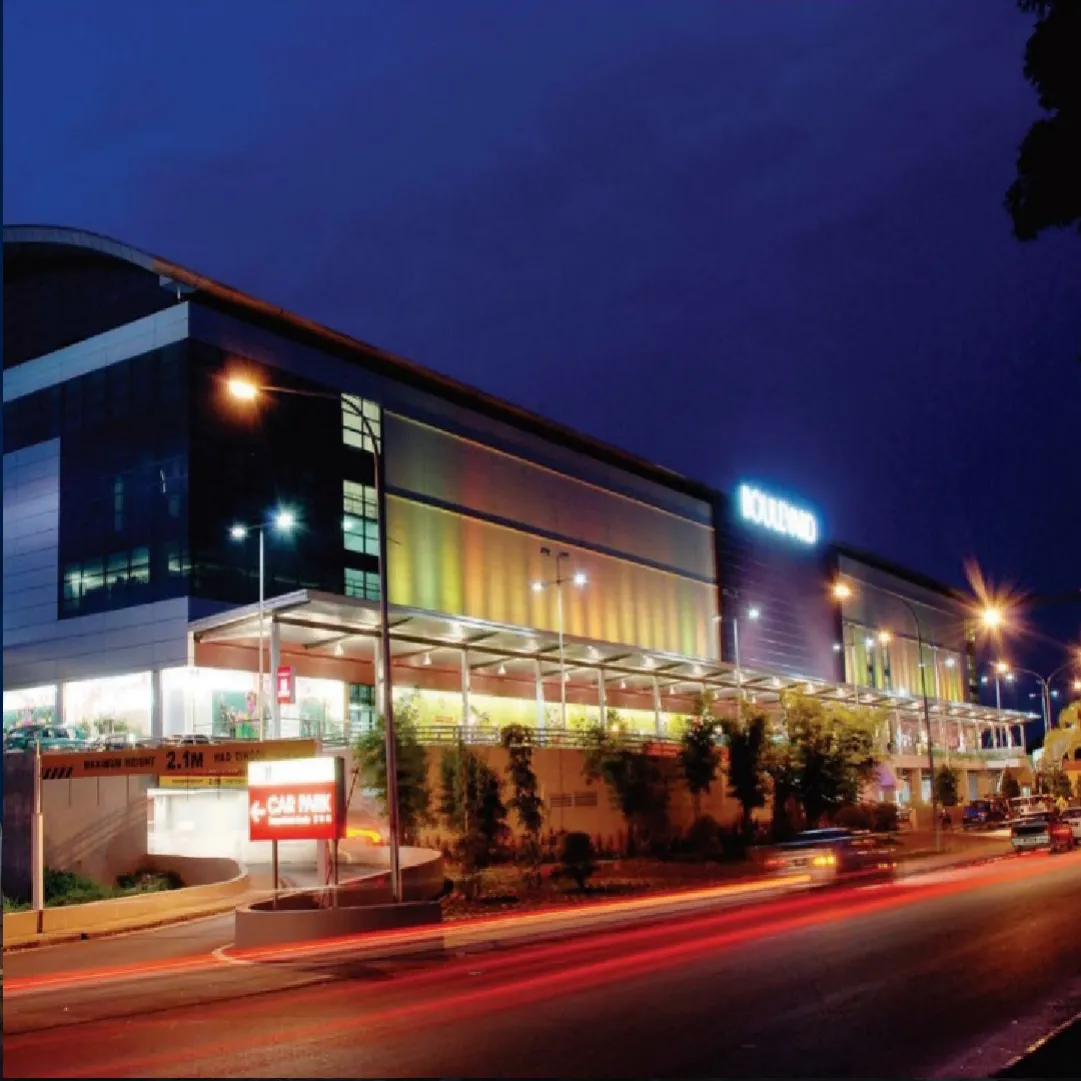
Drive foot traffic with well-lit exteriors and programmable scenes for seasonal promotions or brand campaigns.
Our process is built to deliver visual impact, compliance, and cost efficiency. Every step is tailored to your building’s design, usage, and branding goals.
A professionally designed facade lighting system does more than enhance appearance.
A well-planned system reduces energy consumption through smart controls, ensures alignment with Malaysian regulations like MS1525, delivers measurable cost savings, and applies precise tools to achieve performance and consistency from concept to installation.
Facade lighting improves energy efficiency by using high-performance LED luminaires and smart controls to reduce electricity use and lighting hours.
LEDs consume up to 75% less energy than traditional halogen or metal halide systems and generate less heat, which reduces the load on surrounding materials and HVAC systems.
Smart controls further optimize efficiency:
- Photocell sensors turn lights on only at dusk and off at dawn
- Astronomical timers automatically adjust for sunrise and sunset throughout the year
- Scene scheduling allows for full brightness during active hours and dimming after curfew
- Daylight zoning prevents over-lighting where ambient lighting is already present
Every lighting system is designed to meet MS1525, GBI, and ESG reporting requirements, with full energy baselines and control documentation included.
Facade lighting supports compliance and safety by meeting MS1525 requirements, controlling light spill, and minimizing glare on public roads and nearby properties.
Each design follows Clause 7.3 of MS1525 and local council guidelines. We use cut-off optics, precise aiming, and shielding to prevent glare and ensure safety in both public and commercial zones.
Area | What We Implement | Why It Matters |
|---|---|---|
MS1525 & Council Rules | Lighting power density limits, smart controls | Faster approvals and compliance |
Light Spill Limits | Shielded optics and directional beams | Reduces nuisance lighting and glare |
Glare Control | Glare-free lensing and optical accessories | Safer for pedestrians and vehicles |
Operating Hours | Curfew dimming and auto-off schedules | Reduces energy use after-hours |
Documentation | Lux maps, fixture specs, control diagrams | Supports ESG reporting and GBI scoring |
Facade lighting typically delivers a return on investment within 18 to 36 months through reduced electricity bills, lower maintenance costs, and improved building value.
LED fixtures last longer and require fewer replacements than traditional lighting. Smart controls reduce daily runtime, especially after business hours, lowering utility expenses month after month.
For developers and property owners, facade lighting also increases the perceived value of the asset, especially in premium hospitality, retail, and corporate settings.
We use advanced design tools and control technologies to ensure accurate planning, seamless integration, and long-term reliability.
- DIALux: Simulates real-world lux levels, aiming angles, and beam spreads
- BIM-ready lighting plans: Allow direct integration with architectural and M&E teams
- DMX and DALI systems: Provide remote control, programmable scenes, and automated dimming
- IP-rated fixtures: Designed for outdoor performance, weather resistance, and glare control
These tools ensure the final system matches both design intent and energy performance goals.
Facade lighting has been used across Malaysia to improve energy performance, strengthen branding, and meet regulatory and ESG standards.
Below are real-world examples and design principles that inspire our work:
Merdeka 118, Kuala Lumpur
The world’s second tallest tower features vertical LED strips and architectural floodlighting designed for both visual drama and energy efficiency.
Lighting zones are automated and support festive scenes and night-time branding.
- Design insight: Vertical segmentation helps manage energy while maintaining a landmark presence.
- Sustainability: Targeting LEED Platinum and GBI certifications.
TRX Tower and The Exchange Mall, Kuala Lumpur
This financial and lifestyle district uses RGBW facade lighting with programmable control systems for seasonal themes, corporate branding, and automated curfews.
- Application insight: Combines dynamic lighting with zoning strategies to reduce off-hour usage and meet ESG goals.
Sunway Pyramid, Subang Jaya
A large-scale retail and leisure complex that uses warm wall-washing and accent lighting to enhance visibility and atmosphere during evening hours.
- Control strategy: Lights are scheduled around mall operating hours to minimize energy waste.
Petronas Twin Towers, KLCC
An iconic example of vertical uplighting and skyline framing. Cool white floodlighting accentuates structure and symmetry without over-illumination.
- Result: Recognizable architectural identity supported by low-glare, efficient lighting systems.
How We Apply These Principles
We apply similar strategies to our client projects across Malaysia—using the same methods that drive results in national landmarks and commercial hubs.
No. When designed with LEDs, smart controls, and scheduled dimming, facade lighting reduces overall energy use compared to outdated floodlights.
Yes. We design around your existing structure with custom mounting solutions, concealed cabling, and minimal disruption to the building exterior.
Timelines vary by building size and complexity. A typical mid-rise project takes 2 to 4 weeks from concept to simulation, and another 2 to 3 weeks for installation and aiming.
Yes. We offer RGB and RGBW systems with programmable scenes, allowing color changes, dimming, and transitions through mobile apps or wall-mounted controls.
We use precise optics, cut-off angles, and shielding accessories to meet glare and spill limits required by MS1525 and local councils.
Yes. We provide photometric reports, lux calculations, control strategies, and full as-built documentation to support approval processes and ESG reporting.
Our systems use durable IP-rated fixtures. We recommend a basic maintenance cycle every 6 to 12 months for cleaning, alignment checks, and system updates.
Most clients see a return on investment within 18 to 36 months through energy savings and reduced maintenance. Additional value comes from stronger branding and visibility.
We assess material texture, building height, design intent, and branding goals. Based on these, we apply techniques like grazing, uplighting, backlighting, or dynamic lighting.
Yes. We design control systems compatible with DALI, DMX, and other BMS protocols for seamless integration and remote control.

● ABOUT JuSTLIGHT CONCEPT
Malaysia’s Leading Facade Lighting Designers
Our Lighting Design Services

Book a Facade Lighting Consultation in Malaysia
Get expert lighting advice tailored to your building. Our team helps you improve visibility, reduce operating costs, and meet compliance standards—while transforming how your building looks at night.

B1-10, Jalan 11/108c, Taman Sungai Besi, Kuala Lumpur, Federal Territory of Kuala Lumpur, 57100, Malaysia
SERVICES
COMPANY
Copyright 2024 Justight Concept Sdn Bhd (1268774-K) | Designed by Grub Byte